
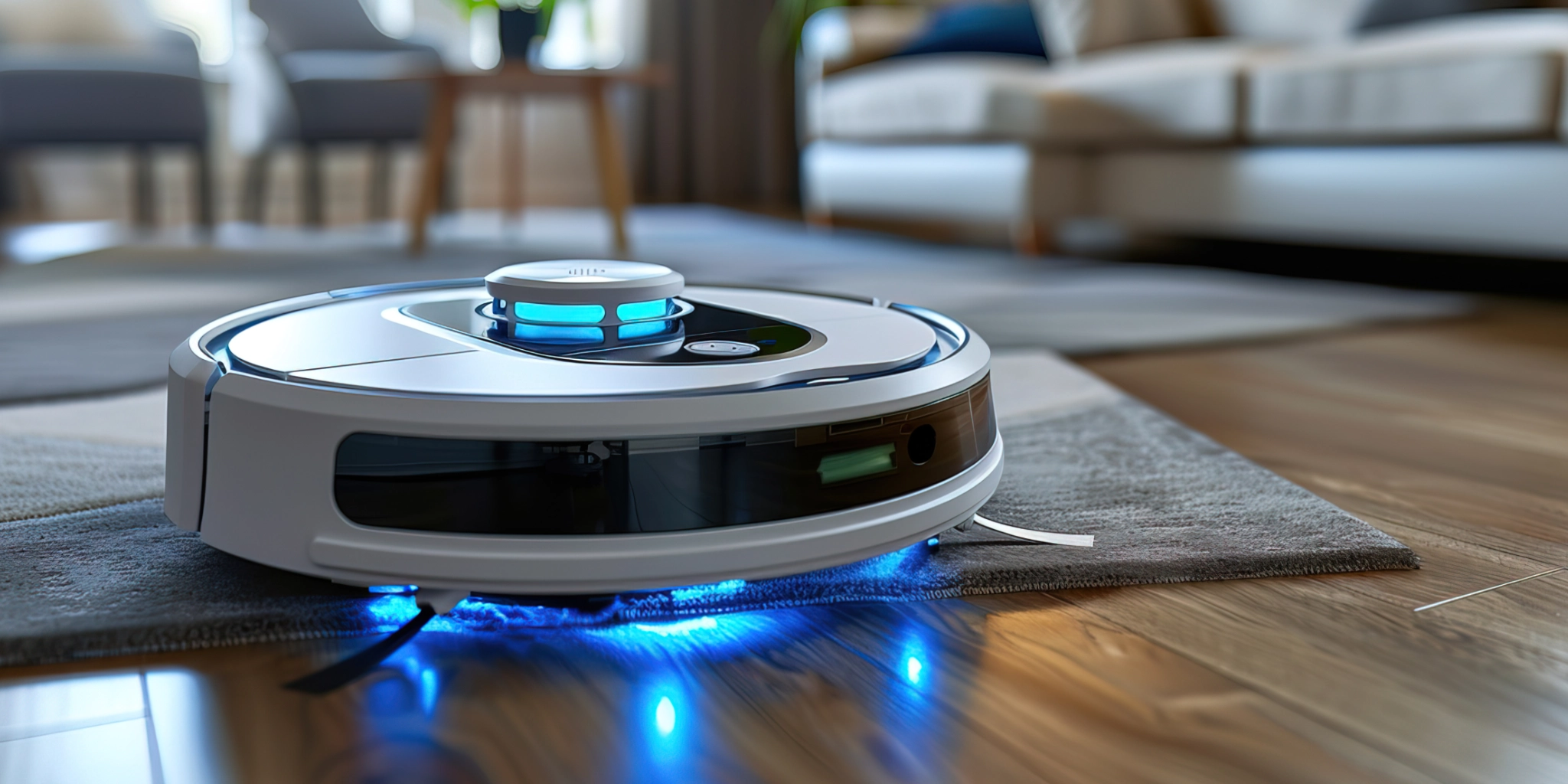
In an era where we invite technology into the most private corners of our homes, a recent security incident involving thousands of robot vacuums serves as a powerful reminder of the hidden risks within the Internet of Things (IoT). A software engineer, while attempting to create a custom remote-control application for his own device, inadvertently discovered a flaw that granted him access to nearly 7,000 other vacuums across 24 countries.
This was not a complex, state-sponsored cyber attack. It was a discovery made by an individual using an artificial intelligence coding assistant to understand how these devices communicated with the manufacturer’s cloud servers. The findings were startling: the same credentials used for one device provided a window into thousands of others, including live camera feeds, microphone audio, and detailed floor plans of private residences.
The Vulnerability of Connected Devices
The convenience of smart home technology often comes with a trade-off in transparency. Many IoT devices rely on “always-on” connections to a central cloud server. If the security protocols governing that central server are flawed, every single device connected to it becomes a potential vulnerability.
In this instance, the “backend security bug” essentially turned helpful household tools into potential surveillance equipment. While the engineer involved acted ethically by reporting the flaw, the incident highlights how easily sensitive data—such as the layout of your home or private conversations—could be exposed to malicious actors without the owner ever being aware.
Lessons for Businesses and Households
This event is a significant case study for any organisation developing or deploying connected technologies. It underscores several critical cybersecurity principles:
- Robust Backend Security: Security must be integrated into the architecture of the cloud environment, not just the physical device. Centralised points of failure can lead to massive data exposures.
- The Power of Ethical Hacking: Penetration testing and vulnerability research are essential. Identifying a flaw before it is exploited by a criminal is the difference between a minor patch and a catastrophic data breach.
- Regular Software Updates: The manufacturer addressed this issue through rapid updates. For users, the lesson is clear: always ensure your smart devices are running the latest firmware to benefit from the most recent security patches.
Enhancing Your Security Posture
While manufacturers have a responsibility to secure their products, users and businesses can take proactive steps to enhance their own protections. Consider implementing a separate network for IoT devices to isolate them from sensitive computers or servers. Furthermore, when selecting smart technology, researching the manufacturer’s history with security updates and data privacy can contribute to a stronger defence.
As we continue to embrace the digital economy, the “peace of mind” mentioned by many of our clients comes from knowing that security is being treated with the technical depth it deserves. Average or “good enough” protections are often insufficient against the latest vulnerabilities.
Contact Vertex for Expert Assistance
Navigating the complexities of IoT security and cloud infrastructure requires specialised expertise. If you are concerned about how your organisation’s connected devices or cloud servers are protected, the best Cyber Security Experts at Vertex Cyber Security are here to help. Our expert penetration testers and cybersecurity specialists can provide technical audits and tailored strategies to help protect your business and your customers.