
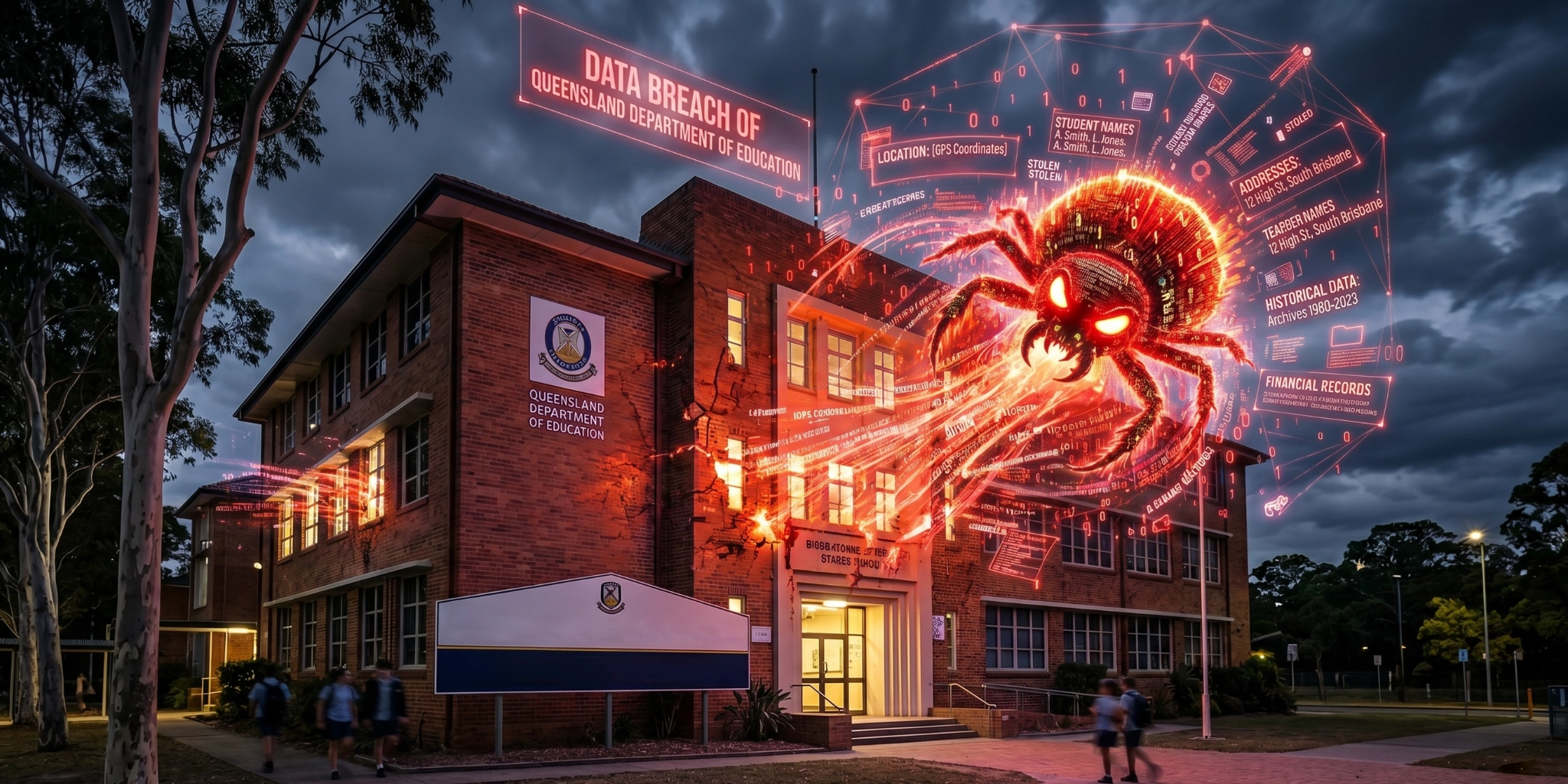
The Queensland Department of Education has confirmed that thousands of staff and students have been impacted by a significant international cyber security breach. The incident involves a third-party cloud provider, Instructure, which supports the state’s QLearn online education platform.
This breach is reportedly part of a larger campaign by the hacking group known as ShinyHunters, affecting more than 9,000 institutions and potentially 200 million people worldwide. For those involved in the Queensland education system, the compromise includes names, email addresses, and school locations dating back to 2020.
Understanding the Risk of Third-Party Breaches
This incident highlights a critical challenge in modern cyber security: third-party risk. Even if your own internal systems are robust, your data is often only as secure as the external providers you use to facilitate your operations.
When an international service provider like Instructure is targeted, the ripple effect can be massive. In this case, while passwords and financial information are not currently believed to have been accessed, the loss of names and email addresses still poses a significant threat. This information is frequently used by malicious actors to craft highly convincing phishing attacks or to conduct social engineering campaigns.
Key Details of the QLearn Compromise
According to official statements, the following information has been identified as part of the breach:
- Names and Email Addresses: This data can be used to target individuals with fraudulent communications.
- School Locations: This is particularly sensitive for vulnerable individuals, such as those with known family and domestic violence concerns.
- Historical Data: The breach affects records from as far back as 2020, meaning former students and staff may also be at risk.
Measures to Enhance Your Personal and Organisational Security
While the Department of Education is working to notify those affected, there are several general protections you should consider implementing to strengthen your overall security posture:
- Heightened Awareness of Phishing: Be extremely cautious of unsolicited emails, even if they appear to come from a known source. Look for subtle signs of fraud, such as slightly altered email addresses or unusual requests for information.
- Enable Multi-Factor Authentication: Ensure that all your important accounts, including your email and work platforms, have multi-factor authentication enabled. This adds a vital layer of protection beyond just a password.
- Update Your Passwords: Although passwords were not reportedly taken in this specific breach, it is a good general practice to update your credentials regularly. Using a secure password manager can help you maintain unique and complex passwords for every service you use.
- Review Third-Party Permissions: For business owners and leaders, consider conducting an audit of your third-party providers. Understanding where your data is stored and the security standards held by your partners is essential for risk management.
How Vertex Can Support Your Security Journey
Navigating the aftermath of a major data breach can be overwhelming. This incident serves as a reminder that cyber security is not a one-time setup but a continuous process of monitoring and improvement.
At Vertex, we specialise in helping organisations assess their risks and implement practical, high-quality security controls. Whether you require a technical audit of your systems, a review of your third-party risks, or tailored employee training, our team is here to help.