
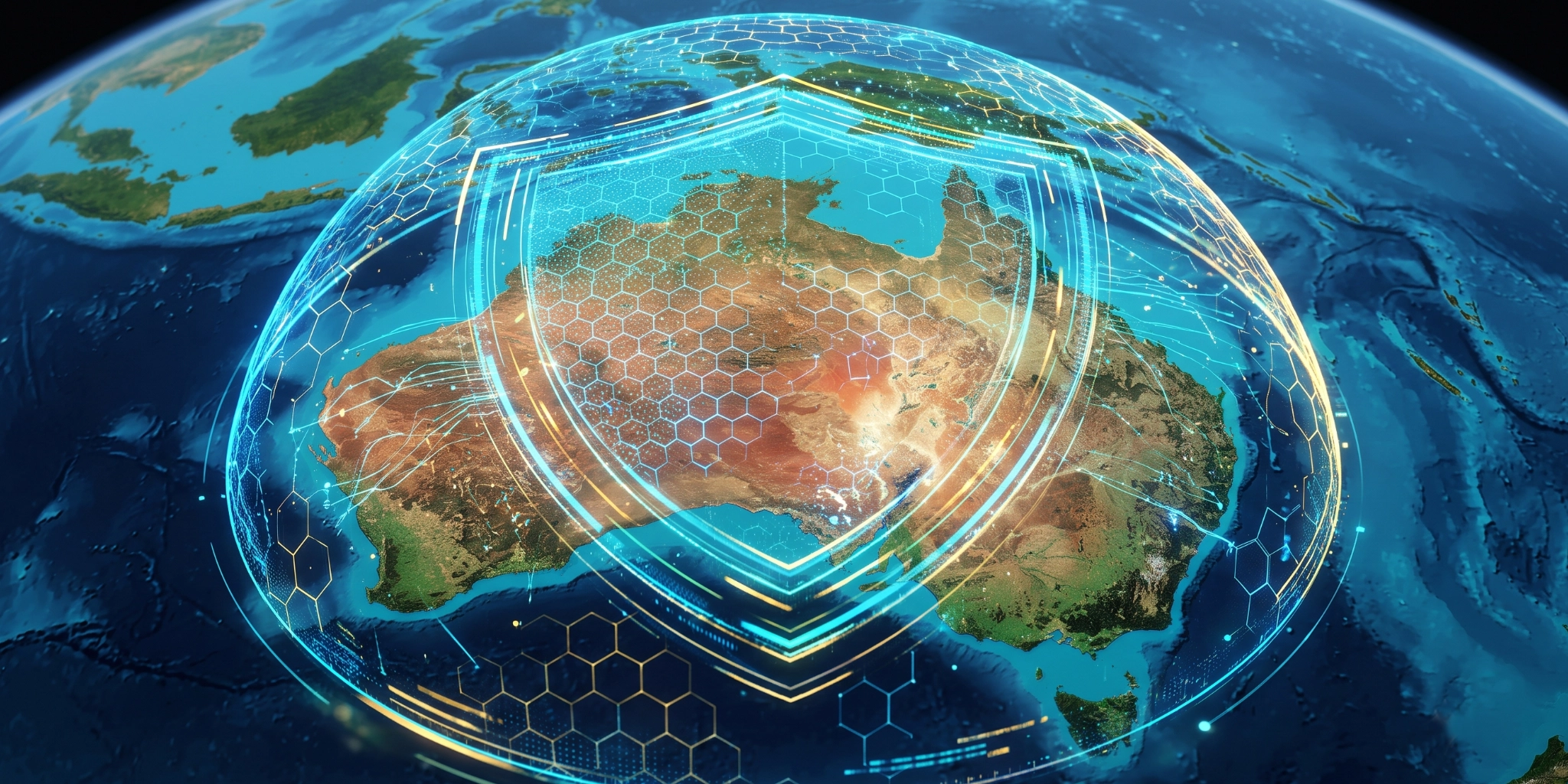
To identify what needs to be fixed today, running rigorous hypothetical scenarios is an essential exercise. Because the only guarantee in the future is that a disaster will eventually occur, understanding exactly how our national systems will break is the ultimate tool for preparedness. Examining an extreme scenario, such as a country being completely isolated from the rest of the world for twenty years, allows organisations to uncover hidden dependencies, address structural vulnerabilities now, and build meaningful digital and physical resilience.
Evaluating a major isolation event offers invaluable lessons into risk management, supply chain security, and strategic planning for organisations of all sizes.
The Threat Landscape: Five Critical Breaking Points
When examining how a modern society collapses during a prolonged crisis, specific structural gaps consistently emerge:
1. The Transport Freeze and the Electric Vehicle Gap
Modern logistics rely entirely on moving goods across vast distances. If strategic liquid fuel stockpiles only extend for a matter of weeks, a prolonged crisis will quickly halt conventional transport. While shifting to electric transport seems an obvious alternative, a complete lack of commercial-scale electric vehicle manufacturing creates an immediate barrier. Without a baseline domestic capability to build and maintain electric vehicles, a long-term fuel crisis would eventually leave a society relying on horses and carts to move people and food around.
2. The Digital Infrastructure Illusion
Internal networks might initially seem stable due to local data centres keeping cached information online and critical domain registries routing local traffic perfectly. However, the modern digital landscape relies heavily on global server internet communication. Without connectivity to international authentication hubs, users could eventually find themselves locked out of critical platforms. Furthermore, hardware degrades over a multi-year horizon. Without access to domestic semiconductor manufacturing, the technological foundations of an organisation will slowly grind to a halt.
3. The Brittle Energy Grid
Energy abundance provides false comfort if the technology required to distribute it relies on global supply chains. A nation may possess massive raw coal, gas, and renewable potential, but building almost none of the high-voltage distribution components or wind turbine parts creates an incredibly fragile environment. If a critical grid transformer fails during a major disruption, the inability to manufacture a replacement locally becomes catastrophic.
4. Agricultural and Water Chemical Dependencies
Food security depends heavily on modern chemical processes. Local farming requires specialised fertilizers and pesticides to maintain high yields. Similarly, massive water treatment facilities rely on imported chemical components to keep drinking water safe at scale. A disruption to these supply chains quickly impacts the availability of basic resources.
5. Advanced Technology and Defence Maintenance
Even with exceptional local talent and engineering expertise, highly advanced sectors remain vulnerable due to global integration. Modern defence systems, complex radar networks, and critical commercial software packages rely entirely on international supply chains for software updates, specialised components, and high-tech maintenance.
The Solution: The Scaling Principle and the One Per Cent Insurance Policy
The ultimate lesson from these hypothetical failure points is not that an economy must achieve one hundred per cent domestic self-sufficiency across every single sector. Attempting to build every product locally is economically impractical and inefficient.
Instead, the true objective must be to maintain a strategic baseline: preserving at least a small percentage of domestic capability, technical knowledge, and operational expertise within critical industries.
Having a foundational baseline allows a system to scale up production rapidly when a crisis strikes. The global pandemic clearly demonstrated this principle. Where existing domestic manufacturing capabilities already existed, local factories successfully adapted and scaled up operations to meet emergency medical and logistical demands. Conversely, where no domestic capability existed, production could not materialise out of thin air, leaving the public entirely dependent on scarce, expensive international imports.
This approach serves as a strategic insurance policy for the future. For example, if citizens effectively pay a ten per cent tax amounting to billions of dollars on all goods and services, dedicating just one per cent of that revenue to funding a small, vital domestic capability provides an invaluable safeguard. This ensures that the essential knowledge and machinery remain active and ready to expand when a disaster inevitably occurs.
Translating Sovereign Risk into Business Resilience
While a prolonged national isolation is an extreme scenario, the underlying vulnerabilities mirror the exact operational risks businesses face daily in the digital economy. Single points of failure, over-reliance on a single software vendor, and a lack of visibility into deep supply chains can leave a business exposed without realising it.
When reviewing your organisation’s disaster preparedness and business continuity strategies, it is beneficial to move away from simple box-ticking exercises. True resilience involves challenging whether your underlying security controls and continuity plans are genuinely effective when tested by severe disruption. Running these hypotheticals allows leadership teams to pinpoint exactly what needs to be repaired, upgraded, or reinforced today.
If you were tasked with protecting your organisation from an unexpected and prolonged disruption to its technology partners, where would you focus your attention first? Ensuring local data sovereignty, establishing robust offline operational capabilities, or reinforcing your digital supply chain defenses?
Strengthening Your Defences
Navigating the complexities of business continuity, technology dependencies, and information security frameworks requires deep technical expertise. Genuinely improving your organisation’s resilience against unforeseen disruptions is a continuous journey.
The expert team at Vertex is dedicated to helping businesses design and implement high-quality, practical security strategies tailored to their unique operational needs. To discover how you can enhance your security posture and protect your critical digital infrastructure, contact the trusted professional team at Vertex Cyber Security today.