
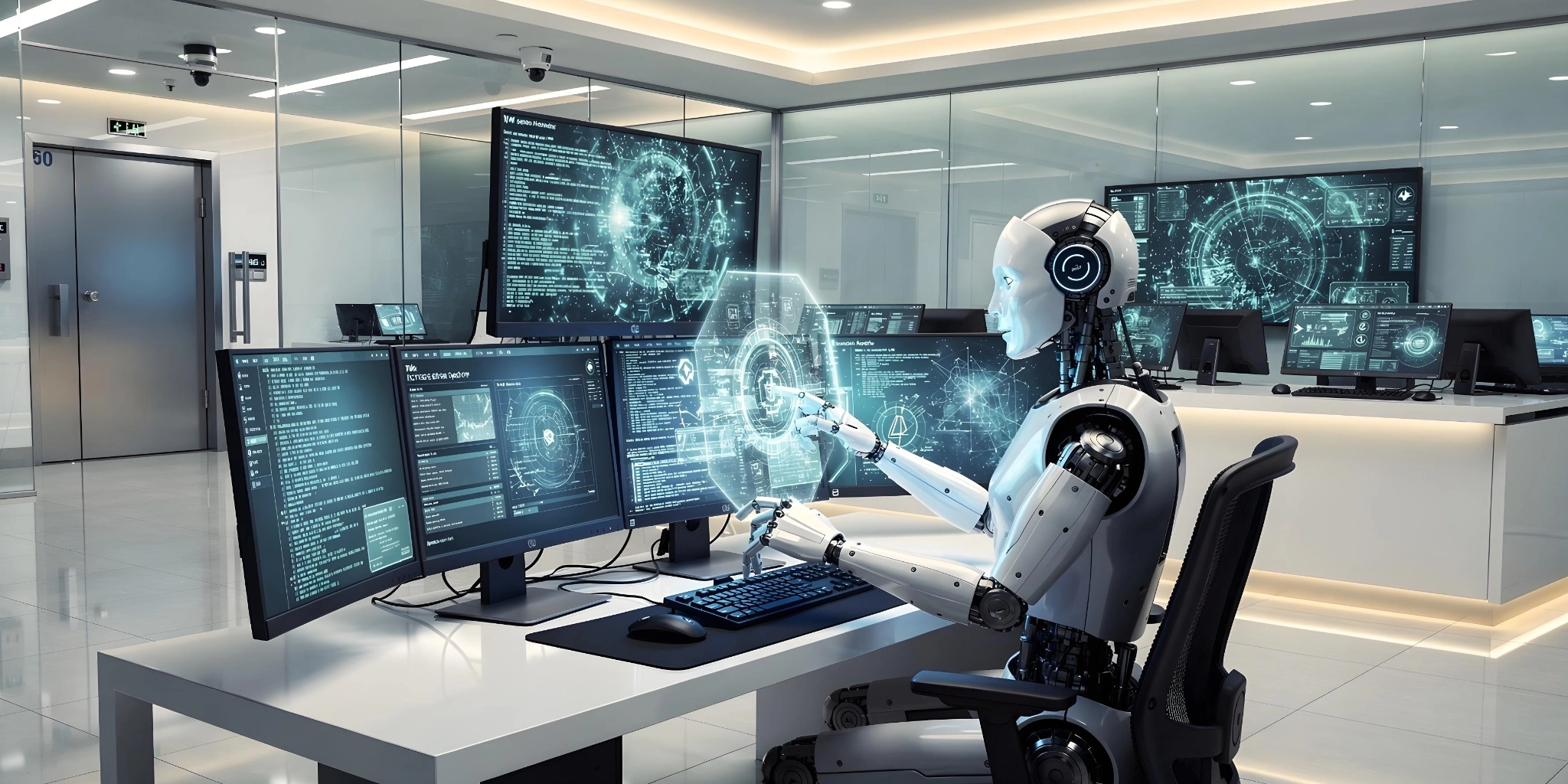
For many years, cybersecurity was often viewed as a technical concern relegated to the information technology department. However, as our world becomes increasingly interconnected, the scope of the threat has expanded. It is no longer just about protecting a single laptop or a small database; it is about the digital infrastructure that supports health, power, communication, and payments. Recently, the International Monetary Fund has issued a stark warning that elevates this concern to the highest levels of global economic stability.
The International Monetary Fund suggests that advanced artificial intelligence-powered cyberattacks now pose a serious threat to the stability of the global financial system. According to their analysis, extreme cyber incidents could trigger funding strains, raise solvency concerns, and disrupt broader markets. When an organisation as influential as the International Monetary Fund labels cybersecurity as a systemic risk, it is a signal that every business leader should prioritise their digital defences.
The AI Multiplier Effect
The primary concern highlighted by the International Monetary Fund is the way advanced artificial intelligence models are changing the landscape of cybercrime. In the past, exploiting a complex vulnerability in a financial system or a power grid required significant time, expertise, and manual effort. Artificial intelligence dramatically reduces these barriers.
By using artificial intelligence, malicious actors can now automate the discovery of weaknesses and launch sophisticated attacks at a fraction of the previous cost. This allows for a higher volume of attacks that are also more difficult to detect. The International Monetary Fund analysis suggests that these incidents could lead to losses totaling billions of dollars, potentially causing a contagion effect where a failure in one area spreads rapidly through the interconnected global economy.
The Risk of Interconnectedness
One of the most significant vulnerabilities identified in the report is our reliance on a small number of platforms and cloud providers. While these services offer great efficiency, they also create a single point of failure. If a major cloud provider or a central payment platform is compromised, the impact is not confined to one company; it cuts across sectors and borders.
The International Monetary Fund warns that emerging economies may be disproportionately exposed due to weaker defences and resource constraints. However, the message is clear for organisations everywhere: the interconnected nature of modern business means that your security is only as strong as the weakest link in your supply chain.
Shifting Focus to Resilience
A key takeaway from the International Monetary Fund report is the admission that breaches are becoming inevitable. Because the tools available to attackers are evolving so quickly, relying solely on prevention is no longer a viable strategy.
Instead, the focus must shift towards resilience. This involves:
- Limiting the spread of an incident once a breach has occurred.
- Ensuring that recovery processes are tested and rapid.
- Implementing robust monitoring to identify suspicious activity early.
- Prioritising the protection of the most critical data and services.
The goal is to ensure that even if a system is compromised, the business can continue to operate and the impact on customers and partners is minimised.
Strategic Protections to Consider
In light of these global warnings, there are several strategies that organisations could consider to enhance their security posture:
- Review Artificial Intelligence Governance: Understand how your organisation is using artificial intelligence and ensure that security is integrated into those processes.
- Enhance Supply Chain Security: Conduct thorough audits of your third-party providers and understand the risks associated with shared platforms.
- Invest in Employee Awareness: As attacks become more sophisticated, training staff to recognise advanced phishing and social engineering is vital.
- Develop a Tested Incident Response Plan: Ensure your team knows exactly what to do in the event of a breach to limit financial and reputational damage.
The International Monetary Fund is seeking greater international cooperation and guardrails to protect financial stability in this new era. For individual businesses, the first step is recognising that cybersecurity is a fundamental component of business continuity and risk management.
Navigating the complexities of artificial intelligence and systemic cyber risks can be a significant challenge for any organisation. If you are concerned about how these global trends might impact your business or if you wish to improve your current resilience strategies, please contact the cyber expert team at Vertex Cyber Security. As we have been helping businesses protect their businesses against the worlds best hackers, Automation and AI Cyber attacks for a decade.