
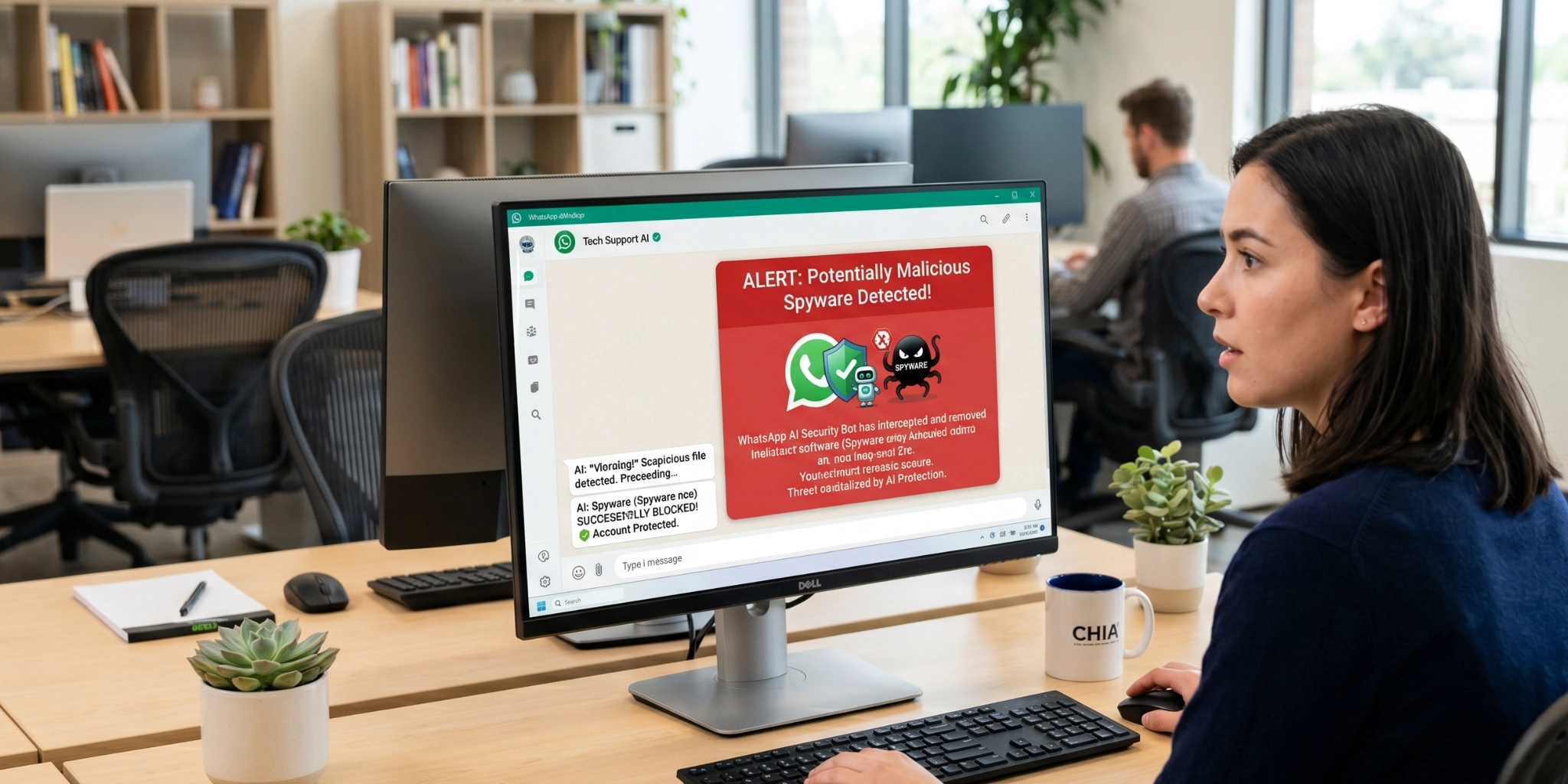
A significant security event has unfolded involving the popular messaging platform, WhatsApp. The Meta-owned communications application announced that it recently detected and disrupted a highly sophisticated spear-phishing attempt linked to the spyware manufacturer, NSO Group. This development is particularly notable because it occurred in direct defiance of a permanent court injunction designed to bar the spyware developer from targeting WhatsApp and its users.
According to reports, the activity involved a social engineering campaign designed to trick individuals into clicking malicious links. The actors went so far as to create test accounts and communication groups within the platform to refine their methods. WhatsApp has reported that it is asking a federal court to hold the spyware company in contempt for violating the permanent injunction. While the specific accounts have been disabled, the incident highlights a critical reality for modern enterprises: highly sophisticated threats are no longer confined to traditional corporate email networks, and staff using WhatsApp is a risk that organisations must actively manage.
Why Staff Using WhatsApp Is a Corporate Risk
For many years, corporate cyber security strategies focused primarily on securing email gateways. While email protection remains essential, modern professionals frequently utilise alternative messaging applications to conduct daily business activities and communicate with colleagues, clients, and partners. This shift has turned mobile communication platforms into a primary target for sophisticated adversaries.
Because these messaging applications bypass traditional corporate network monitoring tools, identifying a malicious link or unauthorised account activity can be exceptionally difficult. When employees utilise personal or unmanaged accounts for work-related conversations, they create a blind spot for the information technology security team. This latest incident serves as a clear indication that organisations must expand their security awareness and monitoring practices to encompass all digital communication channels used by their workforce.
Could Employee Phones Be Attacked to Gain Access to Corporate Data?
The short answer is yes. Mobile devices are often the weakest link in an organisation’s digital perimeter. If an employee clicks on a malicious uniform resource locator link within a messaging application, advanced spyware can be installed silently without their knowledge or interaction.
Once a mobile phone is compromised, attackers can potentially gain access to highly sensitive business assets, including:
- Saved corporate credentials and session tokens stored on the device
- Two-factor authentication codes received via short message service or authenticator applications
- Corporate emails, calendar invites, client contact lists, and proprietary documents
- Internal corporate networks if the device utilises a virtual private network application
Essentially, an attack on an individual mobile device can serve as the initial entry point for a much larger, highly destructive breach of your entire corporate infrastructure, potentially costing organisations millions of dollars in recovery fees and reputational damage.
Do You Have Adequate Mobile Protections?
With the boundaries between personal and professional device usage becoming increasingly blurred, organisations must ask themselves whether their current mobile protections are sufficient. Relying solely on the baseline security of a mobile operating system is no longer enough to counter targeted spyware campaigns and advanced social engineering tactics.
While it is expensive to guarantee absolute immunity from sophisticated digital threats, implementing a multi-layered defensive strategy can significantly enhance the resilience of your organisation. Consider the following practices to help protect your business operations:
Advanced Employee Awareness Training
Regular and updated training programmes can help employees recognise the subtle signs of spear-phishing and social engineering across all platforms. Educating staff to verify the identity of contacts on messaging applications and to exercise extreme caution before clicking unsolicited links can serve as a vital line of defence.
Comprehensive Mobile Device Management
Implementing robust mobile device management solutions can assist in ensuring that all corporate and personal devices used for work adhere to strict security baselines. These configurations can help prevent the unauthorised installation of unverified software, enforce encryption, and ensure that security patches are promptly applied.
Proactive Technical Assessments
Conducting regular cyber security audits and penetration testing can help identify hidden vulnerabilities across your systems, applications, and networks. By simulating the techniques used by advanced adversaries, organisations can understand where their weaknesses lie and take appropriate action to strengthen their protections.
Securing Your Digital Future
The digital landscape is constantly changing, and the tools used by malicious actors are becoming increasingly accessible and advanced. Relying on basic security measures is no longer sufficient to safeguard valuable corporate assets and maintain client trust.
Navigating these complex security challenges requires expertise and continuous vigilance. If you haven’t already implemented mobile protections then the truth is the likelihood of fixing this without Cyber Experts is less than 5%, so reach out to Vertex Cyber Security to get this sorted.