
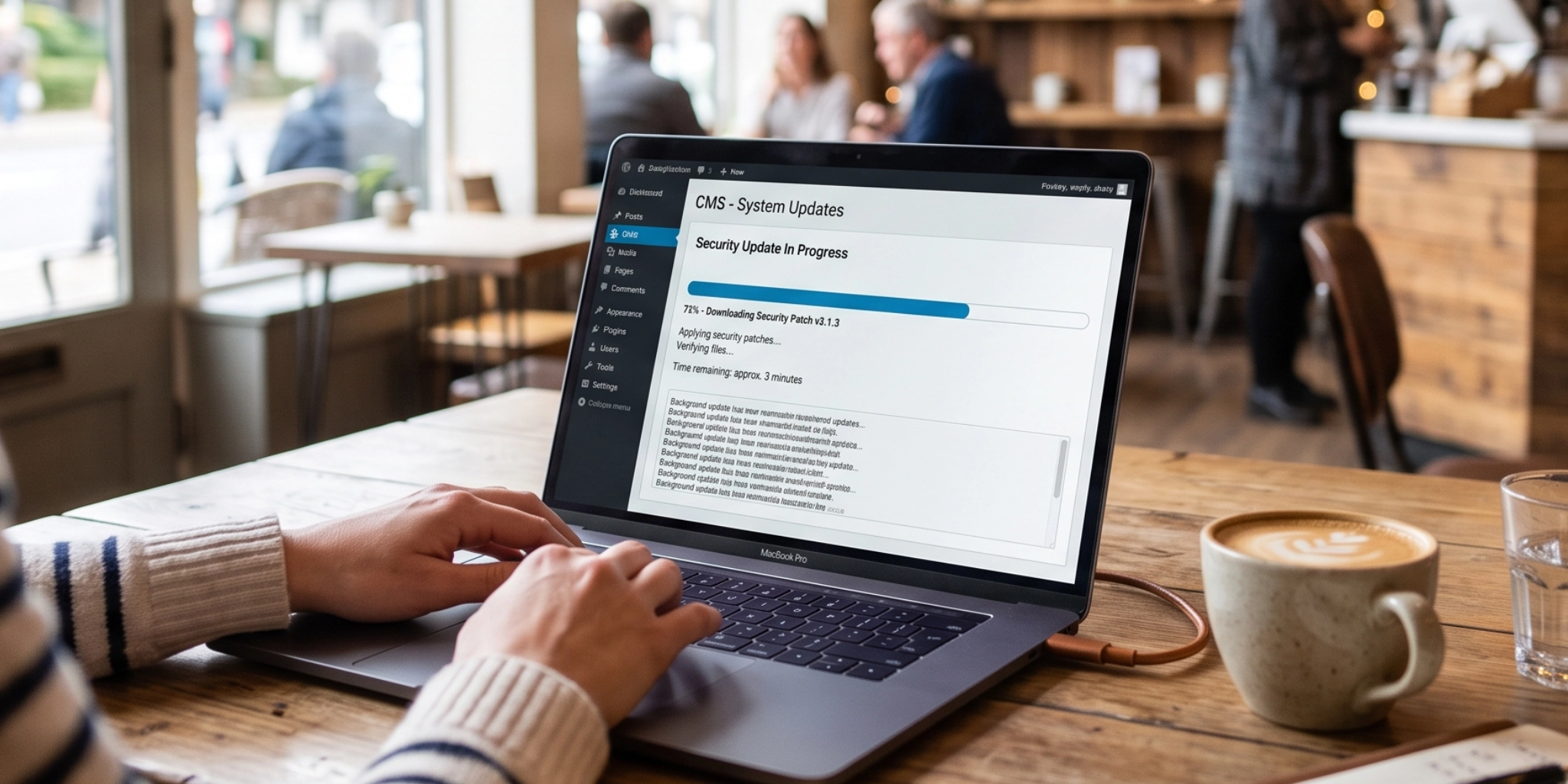
The cyber security landscape moves at an unprecedented pace, and a recent high-severity incident serves as a critical reminder of how quickly threats evolve. A critical security flaw chain, referred to as “wp2shell”, has been identified in WordPress Core. This vulnerability enables unauthenticated malicious actors to execute arbitrary code remotely on vulnerable installations, potentially gaining complete control of affected websites.
With public proof of concept exploits already circulating online and active attempts at exploitation observed across the internet, website owners and administrators should ensure their systems are updated immediately.
The Threat of Artificial Intelligence and Modern Exploit Speeds
In recent years, the time between the release of a security patch and the development of a functional exploit has collapsed dramatically. This shift is largely driven by advances in artificial intelligence and modern automated analysis tools.
When a software vendor makes a security patch available, cyber attackers quickly analyse and reverse-engineer the code changes to identify the underlying vulnerability. With current technology, this process can happen in a matter of hours or even minutes. By the time an organisation convenes an internal meeting to evaluate, test, and approve a manual patching schedule, automated attack scripts may already be actively probing their web servers. The wp2shell incident highlights that relying solely on manual review processes creates an operational gap that modern threat actors are primed to exploit.
Why Automated Security Updates Matter: Lessons from Drupal
To understand the importance of rapid, automated patch management, it is useful to reflect on historical platform vulnerabilities across the wider web ecosystem. A prominent example involved the Drupal content management platform several years ago. In that instance, a severe vulnerability was disclosed, but automatic updates were not widely enabled across the user base by default.
Because administrators had to manually discover, download, and apply the patch, thousands of websites remained vulnerable for days or weeks. As a result, a vast number of Drupal installations were compromised globally before site operators could take action.
Enabling automatic security updates for core platforms like WordPress provides a proactive defence against this scenario. Automatic updates allow critical security fixes to be deployed the moment they are verified by the software vendor, drastically reducing the window of vulnerability and lowering the probability that an automated attack will succeed.
Recommended Strategies to Enhance Your WordPress Security
While ensuring your core software remains up to date is essential, applying a layered approach to cyber security can offer further protection for your digital assets. Organisations may consider implementing the following practices:
- Enable Forced Automatic Updates: Ensure that your content management system is configured to receive and apply security updates automatically as soon as they become available.
- Implement Web Application Firewalls: Utilising a Web Application Firewall, such as those provided by Cloudflare, can help inspect incoming web traffic and block malicious requests targeting known Application Programming Interface endpoints before they reach your server.
- Utilise Premium Security Plugins: Deploying dedicated security software can significantly strengthen your application defences. For example, paid security solutions like Wordfence deployed specialised firewall rules on 17 July 2026 to protect their premium users against these specific Remote Code Execution attack chains.
- Restrict Sensitive Endpoints: If automated updates cannot be applied immediately, temporary mitigation controls, such as restricting anonymous access to specific batch routes within the Application Programming Interface, can assist in lowering risk exposure until permanent fixes are installed.
How Vertex Can Help Support Your Security Posture
Maintaining a resilient security posture requires continuous vigilance, effective policy management, and robust infrastructure monitoring. While no single security control can guarantee complete protection against all potential threats, adopting proactive patch management and robust defensive layers can substantially enhance your overall resilience.
At Vertex, our team of cyber security experts assists organisations with vulnerability management, penetration testing, incident response, and proactive security monitoring. We work alongside your business to help identify potential risks and implement tailored security strategies designed to keep your systems secure.
To discuss how we can help safeguard your digital environment or to learn more about our managed cyber security services, please visit the Vertex website or contact the team at Vertex today.