
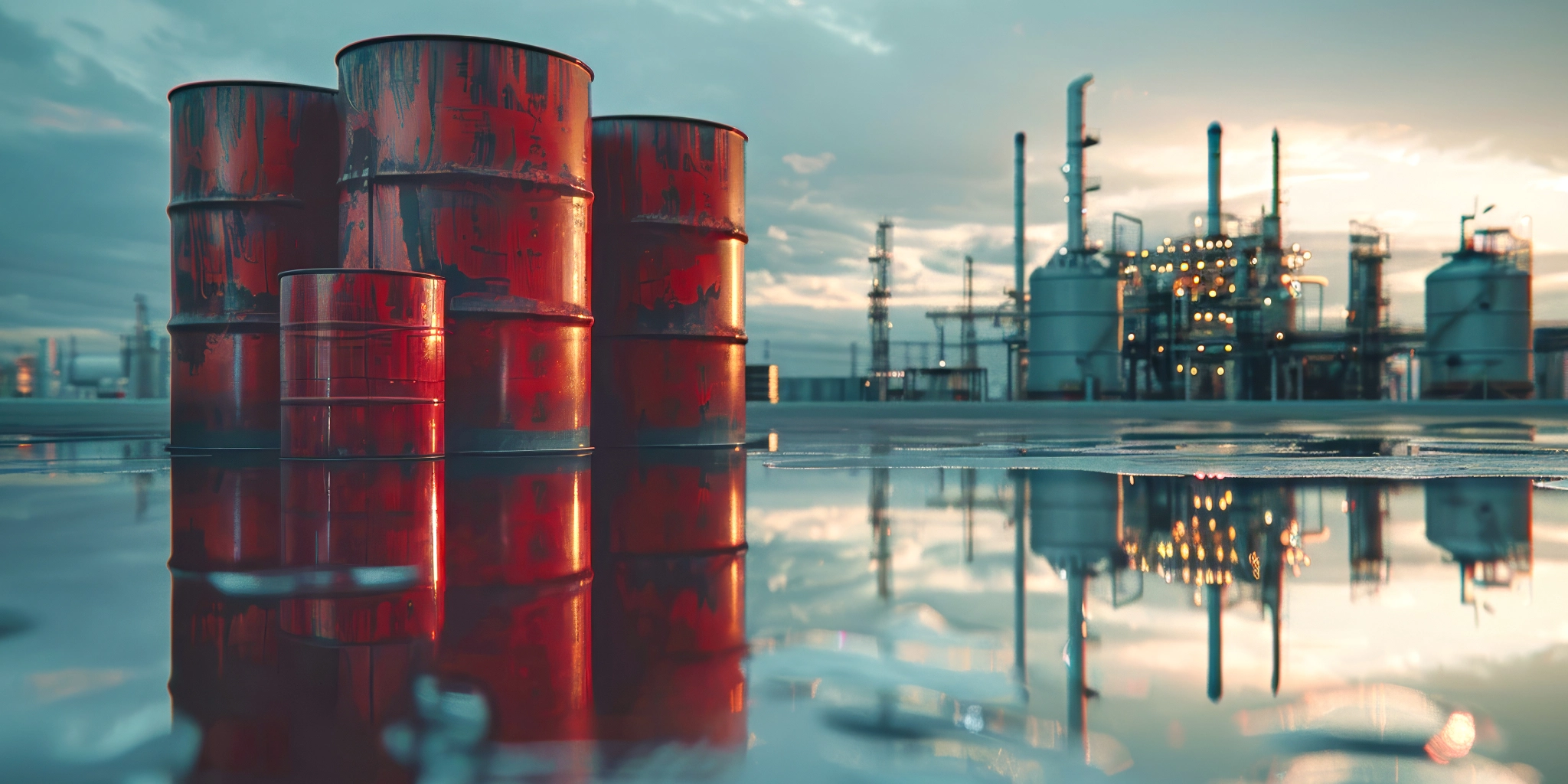
In the current economic climate, the security of a nation is measured by more than just the strength of its borders or the resilience of its digital networks. It is also measured by the integrity of its revenue and the protection of its natural resources. While professional cyber attackers are a constant and evolving threat, stealing billions of dollars from the Australian economy through sophisticated breaches, there is another issue that is proving just as damaging: the significant revenue lost through the export of natural gas.
To put this into perspective, cyber crime is estimated to cost the Australian economy approximately thirty billion dollars every year. In response, a billion-dollar industry has been built to defend against these digital threats. In contrast, the gap in natural gas tax revenue often labelled as tax minimisation but increasingly viewed as the theft of national wealth is estimated to cost seventeen billion dollars a year. Despite the scale of this loss, there is a perceived lack of dedicated action to reclaim what belongs to the Australian public.
The True Cost of Resource Manipulation
The discrepancy between the value of Australian gas exports and the taxes collected has reached a boiling point. For context, Australia and Qatar export similar volumes of gas, yet Qatar historically collects five times more revenue from these exports. Through the use of complex tax loopholes, such as carry-forward losses and transfer pricing, corporations have managed to export hundreds of billions of dollars worth of gas while paying minimal Petroleum Resource Rent Tax.
As of early 2026, it is estimated that Australia has missed out on over sixty-nine billion dollars in potential revenue since July 2022. This represents a staggering missed opportunity to invest in the nation’s future. Australians are increasingly feeling that their resources have been taken advantage of, making the nation appear as a pawn rather than the middle power it truly is.
Powering the Digital Future: The Growing Need for Gas
A common argument is that the move toward renewable energy will decrease our reliance on gas. However, the reality of the digital age suggests otherwise. As we see a surge in the construction of massive data centres, the requirement for twenty-four-hour, reliable power has never been higher.
These data centres, which underpin our entire digital economy and cyber security infrastructure, require consistent power that renewables alone cannot always provide. Consequently, natural gas is essential to power the turbine generators that act as a critical backup. Far from declining, the requirement for gas is likely to increase to ensure the stability of the very networks we are trying to protect from cyber attackers.
A Strategic Hand: Why Action is Needed Now
There is a growing sentiment that Australia must stop being bullied or bluffed on the global stage. If the current tax arrangements are not delivering a fair deal, then more assertive measures should be considered. This could include increasing the tax rate to at least 25% however to recoup lost past revenue it could be justified to as high as 75% tax rate.
The strategy is clear: if corporations are unwilling to pay a fair price, the gas should remain in storage. Its value will only increase over time, and in the event of global emergencies such as a blockage of the Strait of Hormuz having control over our own energy reserves is a vital component of national security.
The funds recovered from a fairer tax system could be transformative. Much like Norway, Australia could use this revenue to invest heavily in electric vehicle infrastructure and renewable transition. We can survive with less petrol and diesel if we have the capital to transition our transport networks effectively. Natural Gas should not be a bargaining chip for more Oil, when we shouldn’t even be using that much Oil if we had the funds to transition to electric transport sooner. Furthermore, these funds could provide the necessary investment in electric transport, local manufacturing and defences that the nation currently lacks because our resources are being siphoned away.
The Requirement for Decisive Leadership
The Australian public is looking for leadership that refuses to be tricked or influenced by vested interests. The government needs to take action now to fix these systemic issues. If the current administration fails to address the gas tax gap and protect national wealth, it is highly likely that the electorate will look to the next government to do so. A nation cannot be secure if it allows its most valuable assets to be taken for a fraction of their worth while its electric vehicle infrastructure and defences remains underfunded.
While many observers are looking to point the finger at Australian productivity, the reality is that the nation is facing specific, massive drains on its economic potential. By addressing these key areas, national productivity would improve significantly:
- Stolen Gas Exports: The seventeen billion dollar annual revenue gap from gas exports remains a critical loss of public wealth.
- Housing Costs: Estimated at over one hundred billion dollars, the high cost of housing is a primary barrier to innovation and consumer spending.
- Oil Imports: Due to a lack of rapid electrification, Australia spends over fifty billion dollars on imported oil, a cost that could be reduced with a strategic move toward electric vehicles.
- Cyber Security: The thirty billion dollar annual cost of cyber attacks continues to drain wealth and resources from Australian businesses.