
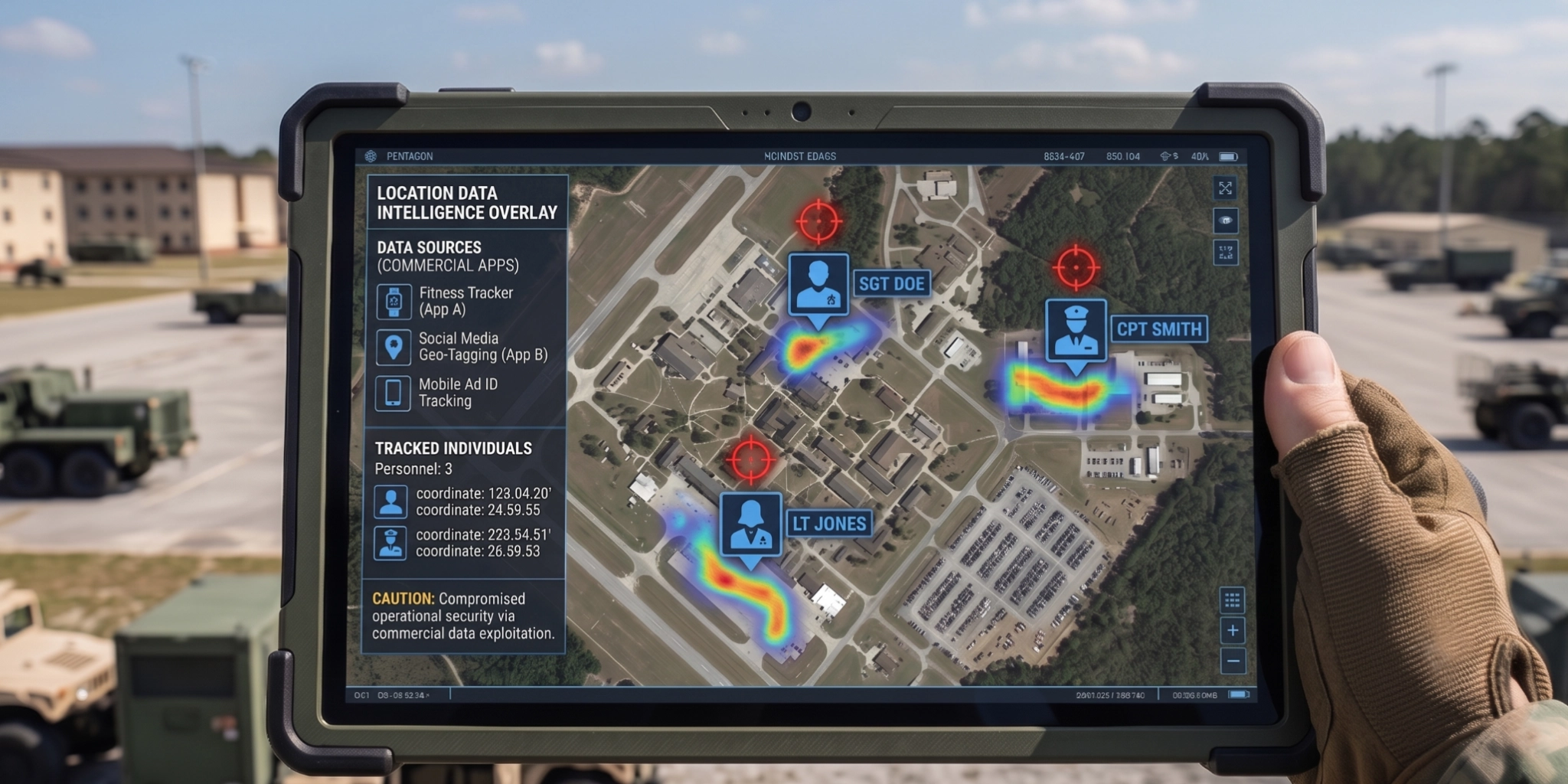
A significant disclosure from the United States military has highlighted a sophisticated vulnerability that extends far beyond the battlefield. Reports from military officials have confirmed that deployed forces have been targeted by adversaries exploiting commercially available location data.
This revelation serves as a stark illustration of how the global surveillance economy can be weaponised. For corporate executives and risk managers, it signals a critical warning: the very same tracking mechanisms used to monitor military personnel are actively collecting data on your employees, operations, and sensitive corporate movements.
Understanding the Global Surveillance Economy
The recent confirmation from the United States Central Command revealed that adversaries have exploited commercial tracking information to monitor the patterns of life of personnel. In an environment where precise positioning can be used to coordinate physical or counterintelligence operations, this data is incredibly dangerous.
However, this data does not originate from highly sophisticated military espionage networks. Instead, it is harvested from everyday technology. Virtually every internet service provider, virtual private network, website, advertising network, operating system, and mobile application continuously gathers location metrics.
This information is routinely aggregated by data brokers and sold on commercial information markets. Malicious actors do not need to deploy expensive tracking devices when they can simply purchase comprehensive historical movement records for a few dollars.
Why Commercial Data Tracking is a Corporate Threat
While the immediate focus of this security alert involves military infrastructure, the commercial availability of location data poses a severe threat to private organisations across the United Kingdom, the United States, and Australia.
Every employee carrying a corporate smartphone or wearing a smart device inadvertently generates a digital breadcrumb trail. When analysed over time, this data reveals highly sensitive information, including:
- Executive Movements: The travel patterns of senior leadership can signal upcoming corporate mergers, acquisitions, or confidential partnership discussions before they are made public.
- Operational Patterns: The daily routines and gathering locations of staff can expose operational vulnerabilities, creating risks for both digital security and physical corporate security.
- Supply Chain Vulnerabilities: Tracking the movement of key personnel involved in logistics or manufacturing can allow competitors or threat actors to map out proprietary supply chain networks.
Protective Strategies to Enhance Your Organisation’s Security Posture
Complete digital invisibility is difficult to achieve in a highly connected ecosystem. However, implementing robust operational security habits can significantly reduce your organisation’s tracking footprint. Corporate leaders should consider evaluating the following strategies to contribute to a stronger defence.
Manage Unique Advertising Identifiers
Mobile operating systems assign a unique advertising identifier to each device to help marketing firms track user behaviour. Deactivating or regularly resetting these identifiers on all corporate-issued devices can help disrupt the long-term profiling of your personnel.
Implement Strict Mobile Device Management Policies
Organisations can utilise mobile device management software to centralise control over privacy settings. Consider configuring corporate devices to restrict application permissions, ensuring that location sharing is deactivated by default and only enabled when strictly necessary for operational purposes.
Encourage Privacy-Focused Browsing Alternatives
Standard web browsers often allow extensive background tracking through advertising technology networks. Steering your workforce toward privacy-focused web browsers and secure search alternatives can help minimise the volume of tracking data leaked during daily operations.
Deliver Comprehensive Employee Awareness Training
Technology solutions are only effective when paired with a security-conscious workforce. Providing employees with tailored training on the risks of location sharing, social media check-ins, and the data collection habits of personal applications can significantly enhance your collective security posture.
Prioritising Quality in Corporate Privacy
The transition of commercial advertising data into a tool for targeted surveillance demonstrates that modern cybersecurity requires more than basic network defences. Protecting your organisation requires a comprehensive look at how data is generated, shared, and exposed to the public market.
Navigating the complexities of mobile security, data privacy, and corporate governance can be challenging. If you are concerned about your current security posture or wish to evaluate your mobile device management policies, contact the expert team at Vertex Cyber Security. We can provide tailored solutions and high-quality assessments to help safeguard your operational intelligence. For further information on how to protect your business from modern digital threats, please visit the Vertex website.