
In the past, the term “cyber security” likely conjured images of stolen credit card numbers, phishing emails, or perhaps a locked screen demanding a Bitcoin ransom. For a long time, the threat felt largely confined to the digital realm—a battle of ones and zeros. However, as we have successfully digitised almost every aspect of our lives and businesses, the nature of the threat has evolved. We are now witnessing a disturbing convergence where digital vulnerabilities are leading directly to physical crimes.
A prime example of this shift is currently unfolding in the logistics and transport industry. It is a stark reminder that if you believe your business is “too physical” or “too traditional” to be a target, you may need to reconsider.
The Hijack: When Code Meets Cargo
Recent news reports have highlighted a sophisticated method being used by organised crime rings to hijack trucks. In the past, hijacking a truck was often a crime of opportunity or required a physical “insider”. Today, the “insider” is a hacker sitting thousands of miles away.
These criminal groups are enlisting cyber criminals to breach the networks of logistics companies. They are not looking to steal the data for identity theft; they are looking for the shipping manifests. By hacking into these digitised systems, they can identify exactly which trucks are carrying high-value goods—such as electronics, designer clothing, or pharmaceuticals.
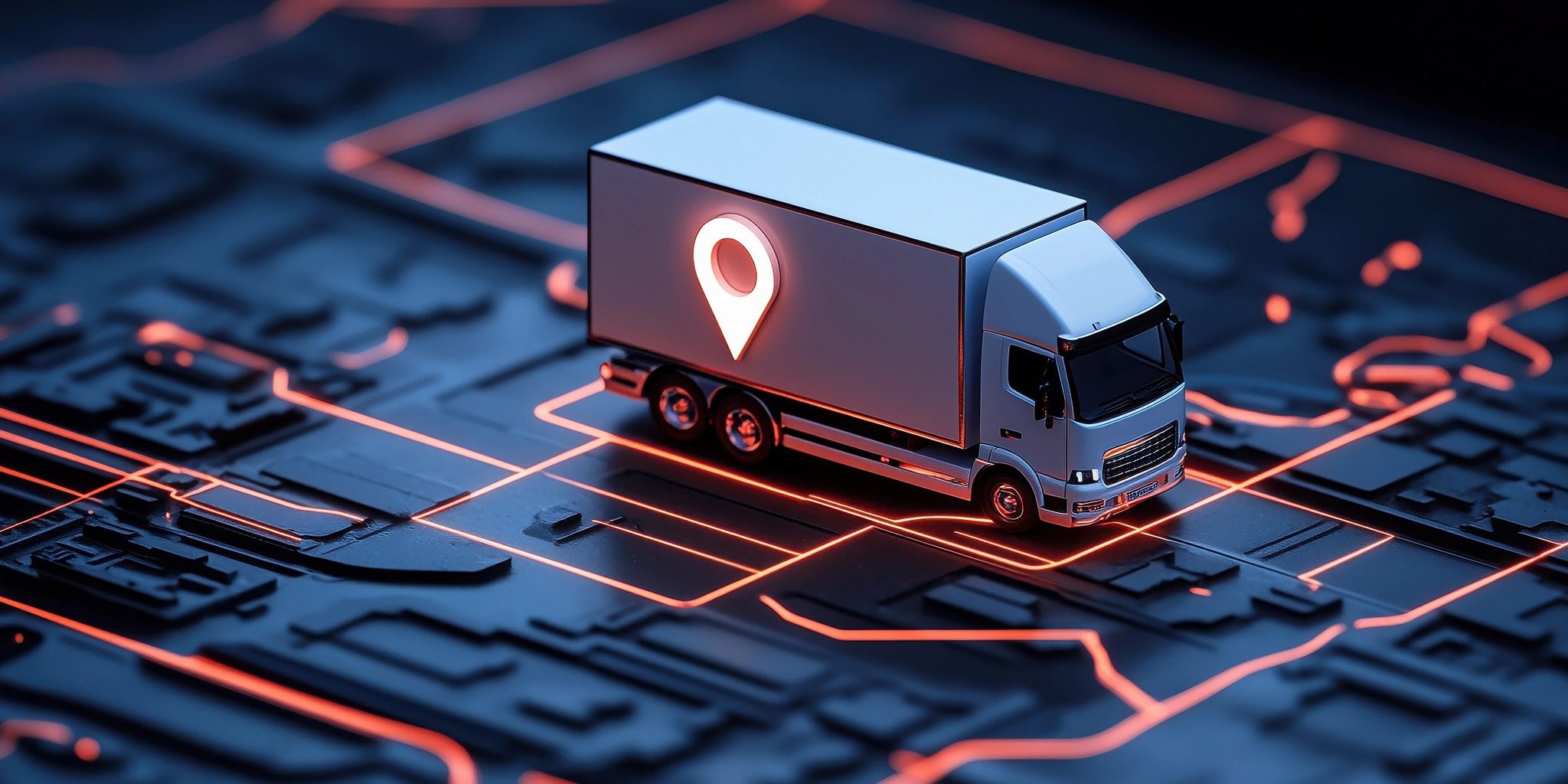
Once they have identified the target, they do not stop there. They utilise the very tools designed to make logistics efficient—GPS tracking and route planning—to locate the vehicle in real-time. The hackers guide the physical hijacking crews to the exact location of the truck. This turns what used to be a risky gamble for criminals into a calculated, high-probability operation.
100 Ways to Lose
This scenario illustrates a critical weakness in modern business operations: the gap between physical security and digital maturity. When your cyber security posture is low, you are essentially providing bad actors with “100 ways” to steal from you.
It might be the system managing fob access to the office, a weak password on a dispatch system, an unpatched vulnerability in a GPS portal, or a phishing email clicked by a depot manager. In the digital age, these are not just IT problems; they are operational holes that allow criminals to walk right through your front door.
We believe that average or “good enough” is not sufficient to protect against the latest cyber attacks. If your digital gates are left unlocked, the physical walls of your warehouse or the locks on your trucks become irrelevant.
Cyber Resilience is Business Efficiency
There is a flip side to this narrative, and it is a positive one. Getting your cyber security right is not just about preventing theft; it is about reaching a level of operational maturity that allows you to do business better.
When a business suffers from low cyber resilience, it is often plagued by small, nagging issues—systems going offline, data inconsistencies, and the constant firefighting of minor breaches. These “smaller issues of low maturity” act as friction, slowing down operations and distracting leadership.
Conversely, a business with a mature cyber security posture operates with confidence. Your systems are robust, your data is reliable, and your supply chain is visible only to those who should see it. By securing your digital infrastructure, you are not just stopping hackers; you are ensuring that your business runs smoothly, efficiently, and without the costly disruptions that plague your less-prepared competitors.
All Businesses Are Digital
The proof is undeniable: all businesses today are technology businesses. Whether you are moving freight across the country, managing a construction site, or running a financial firm, your operations rely on digital systems.
At Vertex, we believe that being Cyber Secure is an option available and accessible to everyone. Our mission is to help protect against these threats so that you can focus on what you do best.
Whether you need a Cyber Security Audit to identify your current risks, a cyber expert to improve your Cyber Security or expert Penetration Testing to find the holes before the criminals do, taking action now is the only way to secure both your digital data and your physical assets.
Don’t wait for the digital threat to become a physical reality. Contact the expert team at Vertex today.