
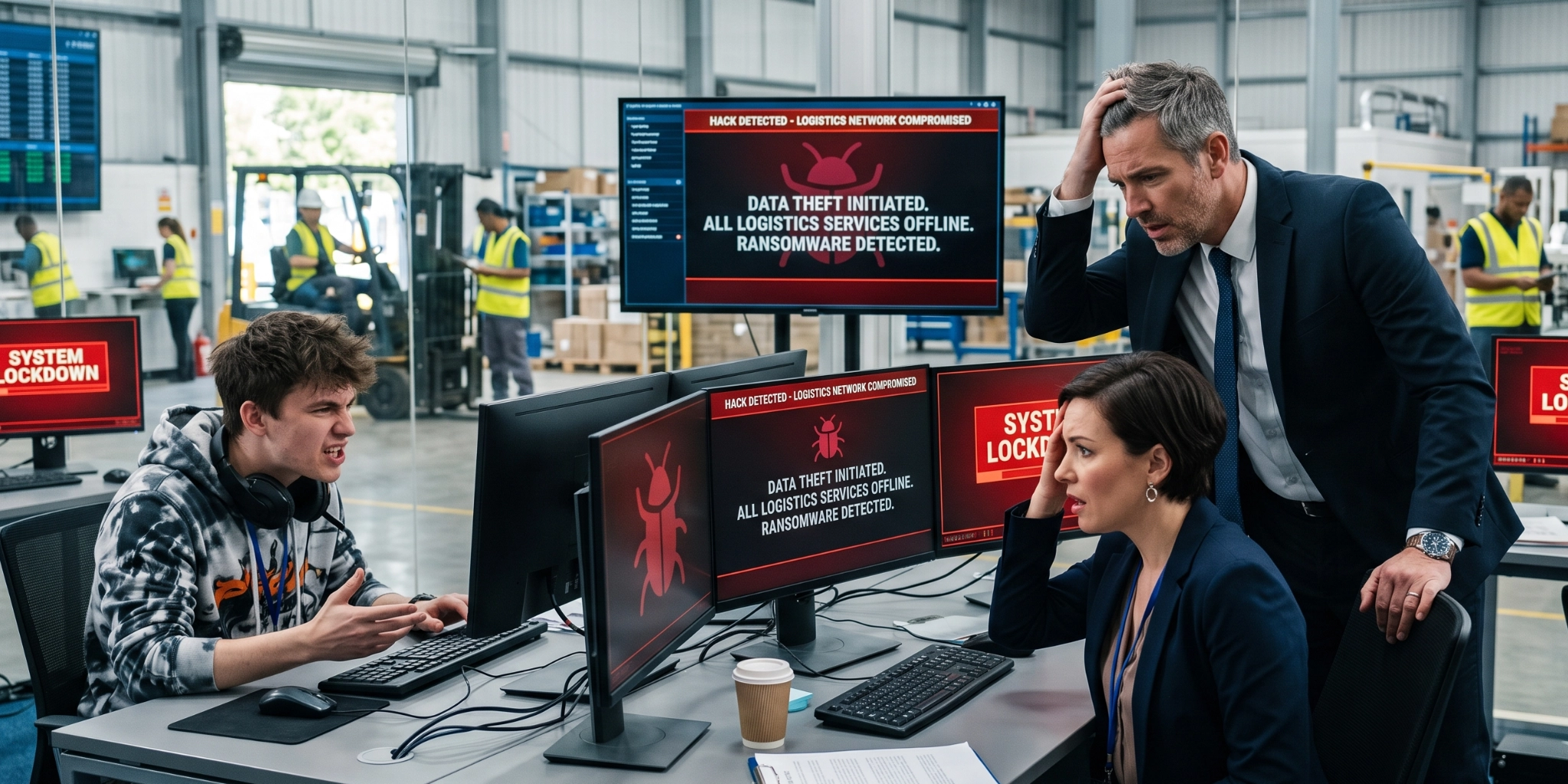
A major cybersecurity incident at global shipping giant Ceva Logistics has demonstrated how vulnerabilities in third-party supply chains can quickly spill over to impact organisations across completely different industries.
Ceva Logistics, a France-headquartered freight and warehousing organisation generating more than 18.3 billion dollars in annual revenue, recently experienced a cyber attack that disrupted warehouse operations and exposed customer personal information. The ripple effect reached an exceptionally diverse group of organisations, including banking leader ING, major European online retailers such as Bol and De Bijenkorf, professional football club Ajax, eyewear manufacturer Ace and Tate, and video game developer Valve Corporation, which uses Ceva Logistics to deliver Steam hardware to customers.
The incident highlights a critical reality for modern enterprises: your cybersecurity posture is deeply intertwined with the security of every partner and service provider you rely upon.
Understanding the Supply Chain Ripple Effect
Modern organisations frequently rely on specialised external partners to manage warehousing, shipping, payment processing, and cloud infrastructure. To facilitate these services, customer details such as full names, delivery addresses, telephone numbers, and email addresses must be shared with the logistics provider.
When an unauthorised third party gains access to a logistics system, that stored information becomes vulnerable. In the case of Ceva Logistics, attackers managed to obtain customer shipping records. Although core financial credentials and account passwords remained secure on primary systems, the exposure of physical addresses and contact details creates significant secondary risks for consumers. Cybercriminals often use compromised delivery details to craft highly convincing phishing messages, pretending to be couriers or retailers asking for redelivery fees or personal verification.
The Strategic Importance of Data Retention and Vendor Oversight
This incident highlights two major areas where organisations can evaluate their risk exposure: third-party data retention and vendor management.
In the case of Valve Corporation, delivery details were retained by the logistics partner for up to ninety days following an order to ensure smooth handling of shipping and potential returns. While operational retention periods are necessary, retaining sensitive customer information longer than required increases the potential impact if a breach occurs.
To help minimise the likelihood and impact of third-party security incidents, organisations can consider several core practices:
- Enforcing Strict Data Minimisation Policies: Establishing clear agreements with vendors regarding how long customer data is stored, and ensuring records are securely erased as soon as they are no longer required for operational purposes.
- Conducting Thorough Vendor Security Audits: Regularly evaluating the security controls, technical infrastructure, and compliance standards of external service providers before and during active commercial engagements.
- Implementing Continuous Threat Monitoring: Maintaining active visibility across connected platforms to assist in identifying suspicious network behavior or unauthorised data access at the earliest opportunity.
- Developing Comprehensive Incident Response Plans: Ensuring clear communication channels and operational procedures are established with third-party partners so that any security event can be contained and communicated rapidly.
Building Resilience Against Third-Party Cyber Risks
Achieving strong cybersecurity resilience requires looking beyond internal networks and addressing the entire ecosystem of vendors, contractors, and service providers. While no single measure provides absolute protection, implementing comprehensive vendor risk assessments, technical audits, and robust data protection policies can contribute to a significantly stronger defence.
At Vertex, we assist organisations in evaluating their overall security posture, conducting thorough technical security audits, and managing third-party risks effectively. Whether you require independent penetration testing, guidance on cybersecurity frameworks, or rapid incident response support, our team of experts is ready to assist.
If you would like to strengthen your organisation’s cyber defences or evaluate third-party risk management strategies, please contact the expert team at Vertex today or visit the Vertex website for further information.