
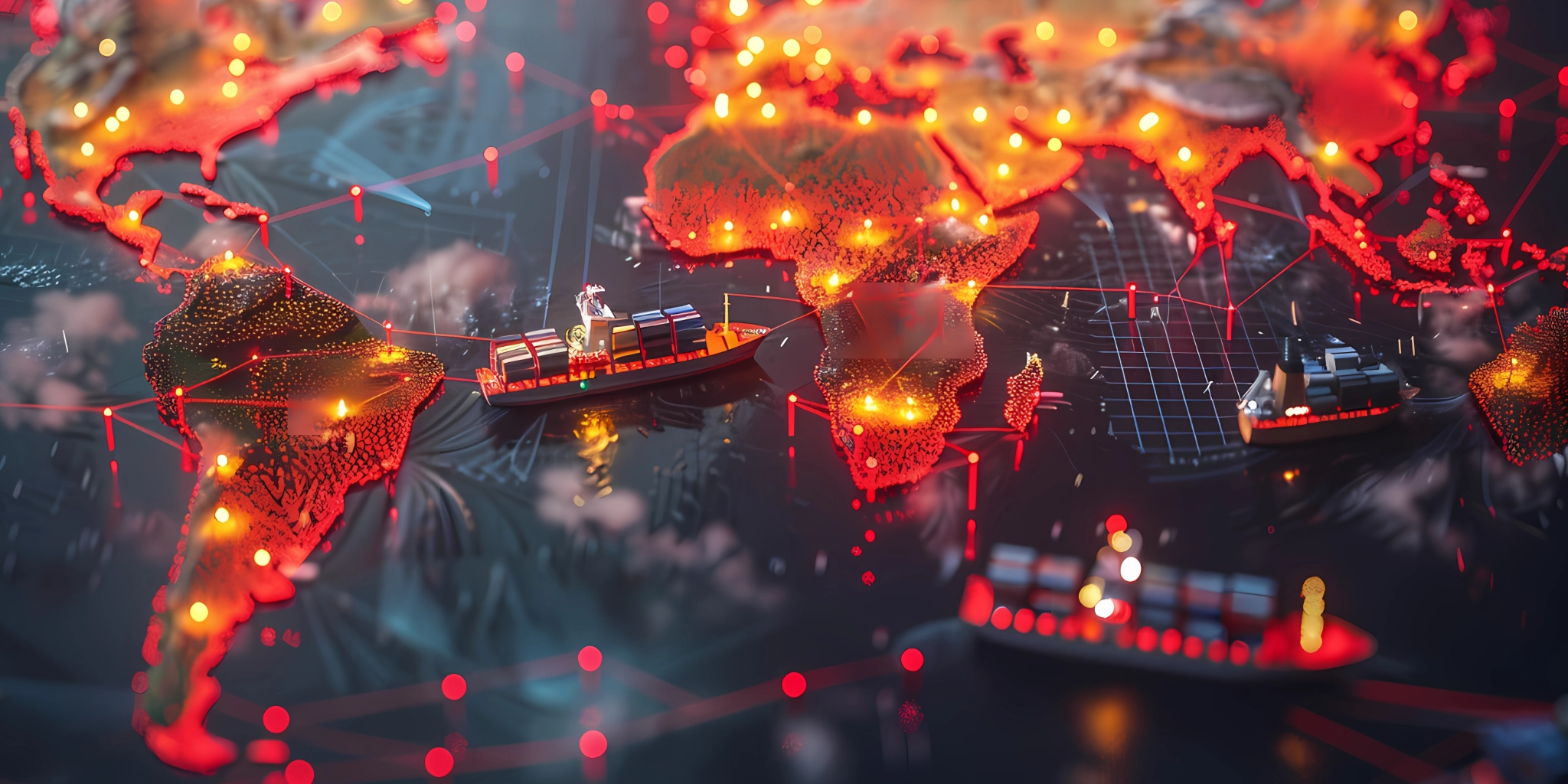
In the world of international security, the line between the digital and physical realms has finally vanished. The recent events in Tehran, where a precision strike was carried out following years of silent digital mapping, serve as a stark reminder that modern conflicts often begin long before a single kinetic weapon is deployed. This operation was not just a feat of traditional military strength; it was the culmination of a decade-long cyber campaign that turned everyday infrastructure into a weapon of intelligence.
Mapping the Daily Rhythm
The foundation of this operation was reportedly laid years ago through the systematic compromise of Tehran’s traffic camera network. While these cameras were intended to manage city congestion, they were instead used to quietly harvest data. By gaining access to these feeds, analysts were able to observe the minute details of daily life near high-security compounds.
This allowed for the creation of what intelligence experts call a “pattern of life.” By tracking where specific vehicles parked, identifying the routines of security details, and noting the arrival times of senior officials, algorithms could build a comprehensive digital twin of the city’s movements. In modern warfare, the most valuable asset is no longer just firepower, but the precise data that tells you exactly where and when that firepower will be most effective.
The Rise of the Target Assembly Line
One of the most significant aspects of this conflict is the sheer scale of automation involved. We have moved beyond the era where individual analysts painstakingly watch video footage. Instead, massive amounts of data, billions of data points from signals interception, human intelligence, and hacked infrastructure, are fed into complex AI systems.
These systems act as a sort of “assembly line,” where the final product is a verified target. The use of advanced AI models to parse this information allows for a level of speed and certainty that was previously impossible. This transition from manual intelligence to algorithm-driven warfare represents a fundamental shift in how global security is managed.
What This Means for Global Security
The 2026 strike demonstrates that no system is truly “offline” or “safe” if it is connected to a network. If a city’s traffic management system can be used to facilitate a high-level military operation, then any piece of business infrastructure can potentially be exploited for corporate espionage or disruptive attacks.
There are several key takeaways for organisations looking to enhance their own security posture in this new era:
- Secure Your Infrastructure: Ensure that even seemingly “low-risk” devices, such as security cameras or IoT sensors, are properly segmented and protected.
- Understand Your Digital Footprint: Be aware of the data your organisation broadcasts to the world and how it might be used to map your internal routines.
- Embrace Advanced Monitoring: Utilise automated tools and machine learning to detect unusual patterns in your network that might indicate a long-term, silent compromise.
- Verify Your Controls: Regular testing and audits are essential to ensure that your defences are not just present on paper but are genuinely effective against sophisticated threats.
Protecting Your Organisation in a Digital World
The events in Tehran highlight that cyber security is no longer just about protecting data; it is about protecting physical safety, operational continuity, and strategic integrity. The tactics used in global conflicts are often adapted by malicious actors for use against businesses and private organisations.
Navigating this complex landscape requires expertise and a proactive approach. If you are concerned about your organisation’s resilience or want to understand how to better protect your infrastructure from modern threats, consider reaching out to the team at Vertex. We provide tailored solutions and expert guidance to help you build a stronger, more informed defence.
To learn more about how we can assist you, please contact us directly for a confidential discussion.